Cloud-Native Apps Scale Better
Cloud-native applications have revolutionized how businesses develop and manage software. Their design principles empower organizations to achieve unprecedented levels of scalability, flexibility, and agility.
Understanding Cloud-Native Architecture
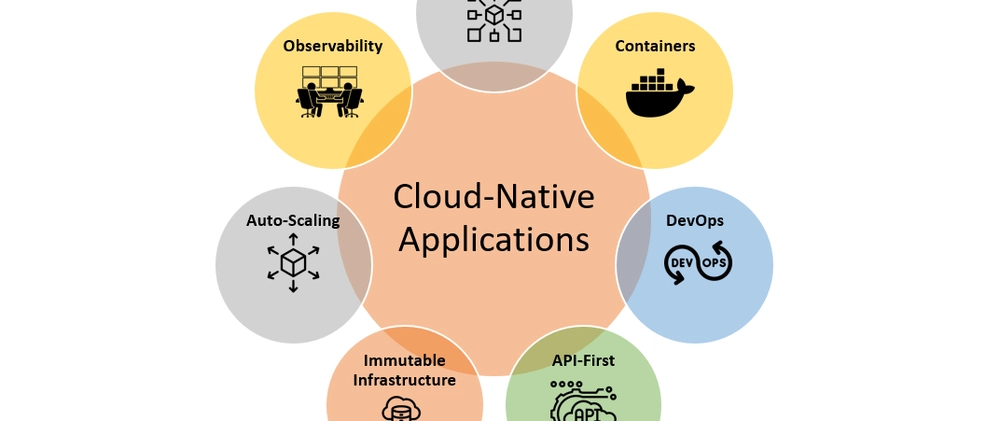
Cloud-native architecture is characterized by microservices, containers, and agile development practices. These components work together to ensure that applications can easily adapt to changing demands.
Benefits of Scalability
Scalability is one of the primary advantages of cloud-native apps. They can automatically adjust resources based on load, which reduces downtime during peak traffic periods.
Cost Efficiency
By utilizing cloud services, organizations only pay for what they use. This pay-as-you-go model means that scaling up or down can occur without hefty upfront costs or infrastructure investments.
Improved Resilience
Cloud-native apps are inherently resilient. They can recover from failures quickly and remain operational without significant disruptions, which is essential for maintaining user trust.
Key Takeaways
- Cloud-native apps are designed for flexibility and scalability.
- Microservices architecture enhances resource management.
- Pay-as-you-go models reduce overall costs.
- Resilience ensures minimal downtime during outages.
- Rapid deployment allows for quick iteration and improvement.
Practical Tip
Start small by migrating low-risk applications to a cloud-native framework to test scalability and resilience without disrupting your current systems.
Checklist for Transitioning to Cloud-Native
- Assess current application architecture.
- Identify suitable microservices candidates.
- Choose appropriate cloud providers.
- Develop a migration plan.
- Test thoroughly before full deployment.
Common Mistakes
Avoid these pitfalls when transitioning to cloud-native:
- Neglecting to train staff on new technologies.
- Failing to monitor performance post-migration.
- Not utilizing cloud-native best practices.
- Underestimating costs during scaling.
- Ignoring security measures in cloud environments.
Conclusion
Cloud-native applications provide businesses with enhanced scalability and flexibility. By understanding their architecture and adopting best practices, organizations can harness the full potential of cloud computing.
FAQs
1. What is a cloud-native app?
A cloud-native app is designed to leverage the benefits of cloud computing, often built using microservices and containerization.
2. Why is scalability important?
Scalability allows applications to handle increased loads efficiently, ensuring performance remains optimal.
3. How do I start transitioning to cloud-native?
Begin with assessing your current applications and identifying those suitable for migration.
4. What are microservices?
Microservices are small, independent services that work together to create a full application, facilitating easy scaling.
Meta Section
Tags: Cloud-Native, Scalability, Applications, Microservices, Technology, Cloud Computing
Leave a Reply