
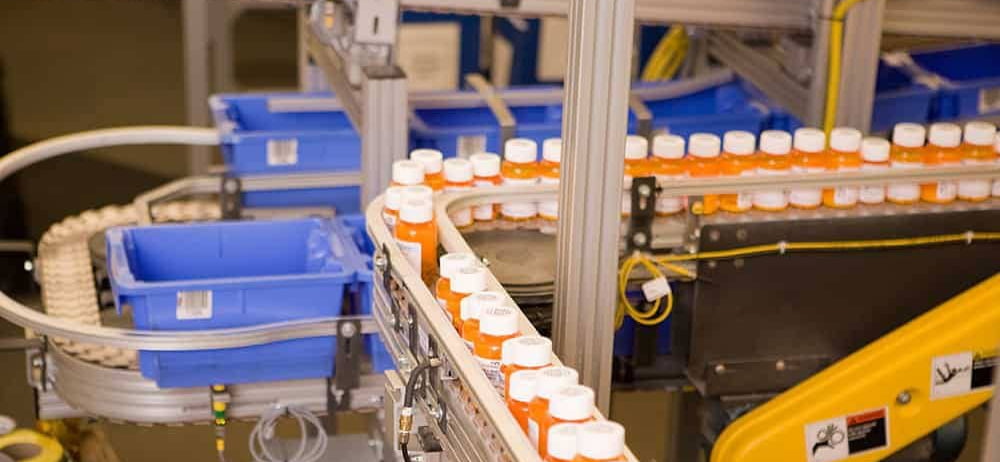
Automation Reduces Errors
In today’s fast-paced world, automation has become a key player in enhancing efficiency and reducing errors across various sectors. By minimizing human intervention, we can significantly lower the probability of mistakes, leading to more reliable outcomes.
Understanding Automation
Automation refers to using technology to perform tasks with minimal human intervention. This process is crucial in many industries, from manufacturing to finance, where accuracy is paramount. With automation, repetitive tasks are handled by machines or software, enabling humans to focus on more complex problems.
Benefits of Automation
One of the significant advantages of automation is its ability to reduce errors. Human errors can occur due to fatigue, distraction, or miscommunication. Automation reduces these risks by standardizing processes and ensuring consistent output.
Key Takeaways
- Automation minimizes human error.
- Standardized procedures enhance reliability.
- Increased productivity through task efficiency.
- Enhanced data accuracy and analysis.
- Immediate feedback and correction mechanisms.
Practical Tip
Begin by automating simple, repetitive tasks—such as data entry or email responses—to experience the benefits firsthand. Gradually scale up to more complex processes as you gain confidence in automation tools.
Automation Checklist
- Identify repetitive tasks suitable for automation.
- Choose the right automation tools.
- Test automated processes in a controlled environment.
- Monitor results and make adjustments as needed.
- Train staff to work alongside automated systems.
Common Mistakes in Automation
- Rushing into automation without proper planning.
- Neglecting employee training and support.
- Automating flawed processes instead of optimizing them first.
- Failing to regularly review and update automated workflows.
- Overlooking the importance of human oversight.
Conclusion
Embracing automation can significantly reduce errors and increase efficiency within any organization. By understanding its benefits and implementing strategies effectively, businesses can transform their operations for better accuracy and performance.
FAQs
Q: What types of tasks can be automated?
A: Repetitive tasks such as data entry, scheduling, and reporting can be easily automated.
Q: Will automation eliminate jobs?
A: While some jobs may be affected, automation often leads to the creation of new roles focused on managing and improving automated systems.
Q: Is automation expensive to implement?
A: Initial costs can vary, but the long-term savings and efficiency gains typically offset the investment.
Meta Section
Tags: Automation, Error Reduction, Efficiency, Productivity, Business Technology
Leave a Reply