Secure Cloud Builds Trust
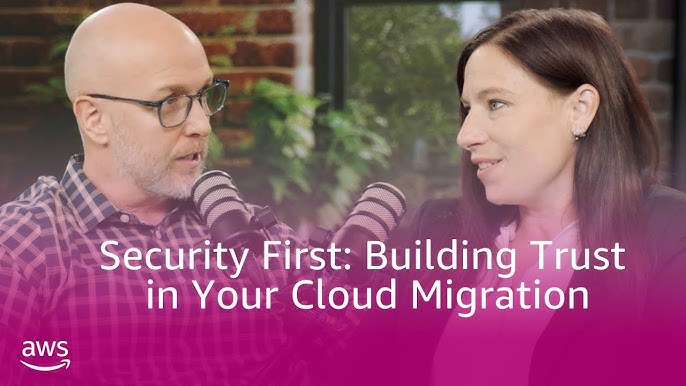
In today’s digital landscape, security is paramount. As businesses migrate to cloud services, ensuring robust security measures can significantly enhance customer trust. This article explores various aspects of secure cloud solutions and how they help build lasting trust with customers.
1. The Importance of Cloud Security
Cloud security encompasses the technologies, policies, and controls that protect cloud data, applications, and infrastructure. A secure cloud environment reduces risks and safeguards sensitive information.
2. Trust through Transparency
Being transparent about security policies and practices fosters trust. Customers appreciate organizations that openly share their security measures, including data encryption and compliance certifications.
3. Implementing Robust Security Measures
Utilizing multi-factor authentication, strong encryption protocols, and regular security audits can significantly enhance a cloud provider’s security posture, building customer confidence.
4. Continuous Monitoring and Improvement
The cloud security landscape is ever-evolving. Continuous monitoring and proactive updates to security protocols are essential in maintaining trust and protecting against emerging threats.
Key Takeaways:
- Secure cloud solutions safeguard sensitive data.
- Transparency in security practices builds customer trust.
- Robust authentication methods enhance protection.
- Regular security assessments improve resilience.
- Customer education on security measures boosts confidence.
Practical Tip:
Always keep your cloud systems updated with the latest security patches and features. This habit can prevent vulnerabilities and strengthen trust.
Cloud Security Checklist:
- Ensure data is encrypted during transit and at rest.
- Implement multi-factor authentication for all accounts.
- Conduct regular security audits and assessments.
- Educate employees on security best practices.
- Review access controls periodically.
Common Mistakes:
- Neglecting regular security updates.
- Overlooking employee training on security protocols.
- Failing to conduct routine risk assessments.
- Not implementing strong password policies.
- Assuming security is a one-time effort.
Conclusion
In summary, securing cloud environments not only protects data but also builds trust with customers. By implementing strong security measures, maintaining transparency, and continuously improving practices, organizations can foster a secure cloud ecosystem that enhances customer confidence.
Frequently Asked Questions (FAQs)
1. What are the main components of cloud security?
Key components include data encryption, identity management, continuous monitoring, and compliance with regulations.
2. How can I ensure my data is safe in the cloud?
Utilize strong passwords, enable multi-factor authentication, and choose providers who follow rigorous security protocols.
3. Is cloud security better than traditional security?
Cloud security can offer advanced protections and quicker updates, often exceeding traditional security measures.
Leave a Reply