
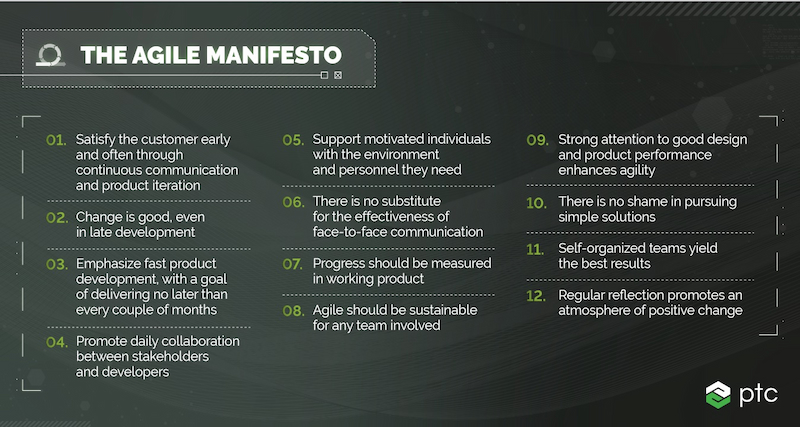
Agile Product Development Improves Speed
Agile product development is revolutionizing how teams create and deliver products. By emphasizing flexibility, collaboration, and iterative processes, Agile enhances speed and efficiency, leading to faster delivery times and improved product quality.
What is Agile Product Development?
Agile product development is a methodology that encourages adaptive planning, evolutionary development, and early delivery of valuable software. It promotes ongoing improvement through iterative cycles and collaboration among cross-functional teams.
Benefits of Agile Methodologies
Adopting Agile methodologies can reduce time-to-market significantly. Teams work in sprints, allowing them to quickly respond to changes and customer feedback. This adaptability ensures that the end product meets user needs effectively.
Enhancing Team Collaboration
Agile fosters strong communication within teams. Daily stand-ups and regular check-ins ensure that everyone is aligned with the project goals, minimizing misunderstandings and enhancing productivity.
Iterative Improvements
With Agile, teams can continuously improve their products through iterations. Each version is tested and refined based on real user feedback, leading to higher satisfaction rates and better market fit.
Key Takeaways
- Agile accelerates product delivery.
- Promotes team collaboration and communication.
- Encourages adaptability to change.
- Facilitates continuous feedback and improvements.
- Increases overall product quality.
Practical Tip
Implement regular retrospectives at the end of each sprint to analyze what worked well and what needs improvement. This enhances team performance and product viability.
Checklist for Agile Teams
- Define clear roles within the team.
- Establish regular communication channels.
- Set short-term, achievable goals.
- Encourage feedback after every sprint.
- Document lessons learned for future reference.
Common Mistakes in Agile Development
Even experienced teams can fall into traps. Here are common mistakes to avoid:
- Neglecting documentation.
- Infrequent communication.
- Failing to adapt based on feedback.
- Overloading sprints with too many tasks.
- Ignoring team morale and burnout.
Conclusion
Agile product development is not just a trend but a necessity for modern teams aiming to improve speed and efficiency. By embracing Agile principles, companies can deliver better products faster, meeting customer needs effectively.
Frequently Asked Questions
What industries benefit from Agile?
Agile is widely used in software development but has also been successful in marketing, education, and even manufacturing.
Can Agile work for large teams?
Yes, but it requires proper scaling frameworks like SAFe or LeSS to maintain flexibility without losing coordination.
How do I start implementing Agile?
Begin by training your team on Agile principles and practices. Start with a pilot project to adapt and refine your process.
Leave a Reply