
Design Thinking Drives Innovation
Design thinking is a powerful approach to problem-solving that places human needs at the forefront. By combining empathy with creativity, organizations can foster meaningful innovation and develop solutions that resonate with users.
Understanding Design Thinking
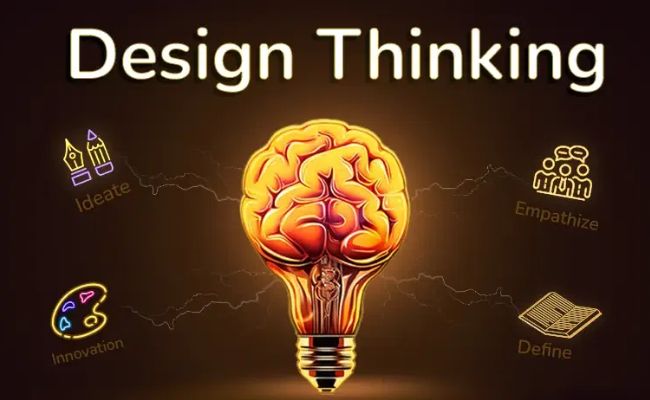
Design thinking is a methodology that encourages organizations to focus on the people they’re creating for. It incorporates various phases including empathy, definition, ideation, prototyping, and testing, ensuring that the end product serves its intended audience effectively.
The Importance of User-Centric Solutions
By placing users’ needs at the center of the design process, teams can uncover insights that lead to innovative solutions. This user-centric approach not only enhances user experience but also drives engagement and loyalty.
Fostering a Collaborative Environment
Collaboration is key in design thinking. Bringing together diverse teams can yield varied perspectives, sparking idea generation and innovation. Creating an environment where team members feel safe to share ideas is crucial for success.
Iterative Prototyping and Testing
Prototyping is an essential part of the design thinking process. Rapidly creating low-fidelity prototypes allows teams to test ideas quickly, receive feedback, and iterate on designs before finalizing solutions.
Key Takeaways
- Focus on understanding users’ needs and problems.
- Encourage collaboration among diverse teams.
- Embrace iteration through prototyping and feedback.
- Prioritize empathy throughout the design process.
- Foster a culture of innovation within the organization.
Practical Tip
Start small by integrating design thinking practices into your next project. Use brainstorming sessions to gather diverse ideas and encourage team discussions to refine concepts.
Checklist for Implementing Design Thinking
- Define the problem clearly.
- Conduct user research.
- Brainstorm and generate ideas.
- Create prototypes quickly.
- Test and gather feedback.
Common Mistakes
Avoid these pitfalls when applying design thinking:
- Skipping the user research phase.
- Focusing too much on the final solution rather than the process.
- Neglecting to iterate based on feedback.
- Not involving a diverse team in the process.
Conclusion
Design thinking is more than a set of tools; it’s a mindset that drives innovation. By keeping the user at the center and fostering collaboration, organizations can unlock transformative solutions that meet real needs.
FAQs
What industries can benefit from design thinking?
Design thinking can be applied across various fields, including technology, healthcare, education, and business development.
How long does it take to implement design thinking?
The timeline varies depending on the complexity of the problem but can often lead to quick iterations and results.
Is design thinking only for designers?
No, design thinking is for everyone! It’s applicable across disciplines and can enhance the work of marketers, engineers, educators, and more.
Tags: Design Thinking, Innovation, User-Centered Design
Leave a Reply