
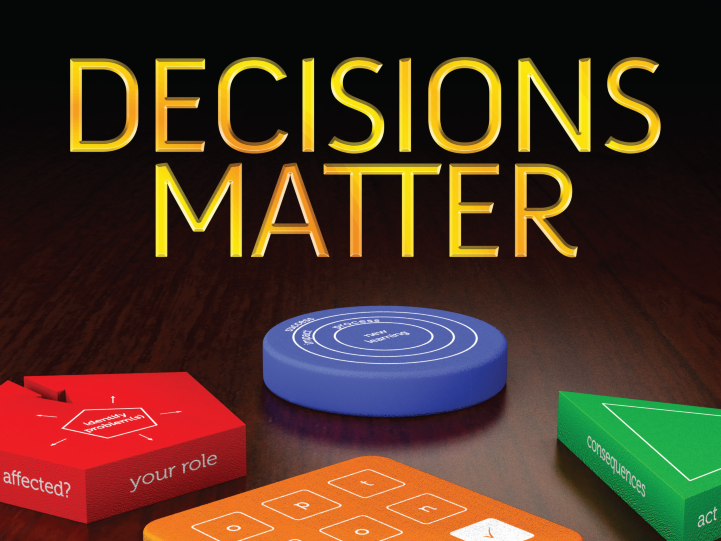
Decision Frameworks Matter
In today’s fast-paced world, effective decision-making is more crucial than ever. Utilizing structured decision frameworks can guide individuals and organizations in making informed choices that lead to successful outcomes.
Understanding Decision Frameworks
Decision frameworks are structured approaches that help individuals and teams assess options and make choices. By providing a clear process, they reduce uncertainty and enable better outcomes.
The Importance of Structure
A structured decision-making process allows for the identification of objectives, evaluation of alternatives, and analysis of potential impacts. This methodical approach minimizes risks and enhances clarity.
Types of Decision Frameworks
There are various types of decision frameworks, including:
- Cost-Benefit Analysis
- SWOT Analysis (Strengths, Weaknesses, Opportunities, Threats)
- Weighted Decision Matrix
- Decision Trees
When to Use Decision Frameworks
Implementing a decision framework is beneficial when faced with complex problems, high-stakes decisions, or when multiple stakeholders are involved. They help to align goals and facilitate collaboration.
Key Takeaways
- Structured approaches enhance decision quality.
- They help clarify objectives and alternatives.
- Promotes collaboration among stakeholders.
- Reduces uncertainty and improves outcomes.
- Facilitates communication of decisions made.
Practical Tip
Always define your objectives before selecting a framework. Knowing what you want to achieve will guide you in choosing the most suitable decision-making process.
Checklist for Effective Decision Making
- Define clear objectives.
- Gather relevant data and insights.
- Identify options and alternatives.
- Evaluate risks and benefits.
- Choose a framework that suits your situation.
Common Mistakes
Some common mistakes include:
- Neglecting to define objectives clearly.
- Overcomplicating the decision-making process.
- Ignoring stakeholder input.
- Failing to evaluate outcomes post-decision.
Conclusion
Decision frameworks are invaluable tools that foster better decision-making in personal and professional contexts. By adopting structured approaches, you can enhance clarity, reduce risks, and improve overall outcomes.
FAQs
- What is a decision framework? A structured method for making choices based on defined objectives and analysis.
- When should I use a decision framework? When facing complex decisions or involving multiple stakeholders.
- Can decision frameworks be applied in daily life? Yes, they can be used for both personal and professional decisions.
Meta Section
Tags: Decision Frameworks, Decision Making, Strategy, Business, Management
Leave a Reply